-
homeowner
-
RENTER
Simple Habits that Work
-
 Changing the Thermostat a Few Degrees can Make a Big Difference on Your Bill
Total electricity used (kilowatt-hours) is the largest factor on your electric bill. Heating and cooling typically have the greatest impact on a home's electricity use, and the hotter it gets, the harder a cooling unit has to work to maintain indoor temperature. Think of it like riding a bike uphill (90 degrees F) versus flat land (70 degrees F). You're still pedaling at the same pace, but it takes more effort. In extreme temperatures, even if your thermostat setting hasn't changed, the amount of electricity needed to maintain that setting does.
Thermostat Setting: In the summer, experts suggest setting the thermostat to 76-78 degrees. Avoid placing electronics or lighting that can produce heat near your thermostat, as this could cause it to work excessively. A programmable, smart thermostat can make it easy to keep your house at the recommended seasonal temperature when you’re at home, while automatically adjusting the thermostat to turn up or down a few degrees when you leave or go to sleep.
- *Low Cost* - In partnership with TVA EnergyRight, NES customers can earn up to $100 in their first year when they sign up for the Smart Thermostat Rewards program! Depending on your preference, you can receive $20-$65 annually each year you participate. Enroll Today
Ceiling Fans: Use a ceiling fan to regulate the “feels like” temperature instead of adjusting your thermostat. *Remember to turn fans off when you leave the room, ceiling fans cool people and not air. A ceiling fan should rotate counterclockwise in the summer.
Air Flow: Move any furniture or other large objects that are blocking the vents in your home.
Regardless of the season, the smaller the difference between the indoor and outdoor temperatures, the lower your heating and cooling costs will be
-
Keep Hot Air Outside and Cooler Air Inside
Warm air can enter your home through open garage doors and cracks around windows and doors. Simultaneously, these gaps in your home's envelope can allow cool air to escape. Windows without any blinds or curtains can heat up rooms, causing the A/C unit to work harder.
Block the Sun: Close curtains and blinds on the sunny side of your home to block out heat. Open them on the shady side of the house for a free light source.
Keep Outdoor Air Out: Use caulk or weather stripping to seal leaky windows and exterior doors. If you can see light around your door threshold or feel cold air seeping through your windows, you’re losing energy and reducing your home's comfort.
- *Low Cost* - In partnership with TVA EnergyRight, NES customers can receive a rebate for air sealing. See Details
Close Unneccesary Entry Points: Keep your garage door closed as much as possible. Check that the fireplace damper is closed when not in use.
-
Regularly Maintain Your HVAC (A/C) System
The largest contributor to your electricity bill is likely the heating and cooling system(s). Maintaining your HVAC (A/C) is important to make sure the system runs efficiently and effectively.
Regular Maintenance: Keep your outside unit free of debris, grass clippings, or mud. Dirty A/C coils can reduce the cooling effect and cause the unit to overwork.
Service Your A/C: Get your HVAC system serviced by a reputable, professional contractor every year, including checks of refrigerant levels, the compressor, hoses, ductwork, and thermostat.
- *Low Cost* - In partnership with TVA EnergyRight, NES customers can receive a rebate for a tune-up for their existing central A/C system. See Details
Replace Air Filters Regularly: Check your home's air filters monthly and replace them as needed to prevent your A/C from overworking due to restricted airflow. Filters come in a variety of sizes; it is important to use the correct filter size for it to keep dust out of your home.
-
Run Major Appliances & Electronics Efficiently and During "Off Hours"
Refrigerator: Set your refrigerator at 40 degrees and let food cool before putting it in the refrigerator. Hot foods will raise the temperature in the fridge and make it work harder.
Oven: Avoid using the oven during the hottest parts of the day. When possible, use a microwave, toaster oven, or grill outside instead. Additionally, every time you open the door, the oven’s temperature drops about 25-30 degrees, and more energy is used to reheat it to the right temperature and cool your home. Use the oven light instead.
Stovetop: Sizing pots to the right stovetop burner can make a big difference. A six-inch pot on an eight-inch burner wastes over 40 percent of the burner’s heat. Also, covering pots and pans reduces heat loss and allows food to cook more efficiently.
Washing Machine: Wash full loads of clothes and use cold water when possible. Unless you’re dealing with oily stains, the warm or cold water setting on your machine will generally do a good job of cleaning your clothes. Switching from hot to warm can cut your load’s energy use in half. If you have a front-loading washer or high-efficiency top-loader, use detergent labeled for high-efficiency machines.
Dryer: Avoid using the oven during the hottest parts of the day. Instead, opt to air dry clothing outside or on a drying rack when temperatures are favorable.
Dishwaher: Avoid using the oven during the hottest parts of the day. Run the dishwasher when it’s completely full.
Electronics: Most electronics never turn off; instead, they enter standby mode and continue to draw electricity. Eliminate "phantom" electric load by using a power strip for your computer monitors, gaming consoles, cable boxes, DVRs, chargers, and other electronics, so they are completely disconnected from the power source.- In partnership with TVA EnergyRight, NES customers can compare and find the best prices on the most efficient options. Explore top-rated energy-efficient appliances and electronics at the EnergyRight Marketplace. Energy Star certified products to save money on your energy bill. Smaller Appliances: Before you leave for the day, make it a habit to unplug all unnecessary appliances, including the coffee maker, microwave, toaster oven, hair dryer, curling iron, etc. Left plugged into the wall, smaller appliances can still drain electricity.
-
Water Heater Settings & Smart Use
After your HVAC system, the water heater is typically the second largest factor contributing to your electricity bill.
Temperature Setting: Set the water heater thermostat to 120 degrees to prevent scaling and save electricity.
Insulate the Tank: If you have an older tank in an unheated area, wrapping it with a water heater insulation blanket is an affordable, easy way to reduce water-heating costs.
Reduce Water Use: Reduce your hot water use by taking shorter showers instead of baths. Using colder water with full loads of laundry.
Vacation Mode: If you're planning to be away for more than a few days, consider switching the water heater into vacation mode or turning it off to save electricity while you're not home.
-
Fireplace
There’s nothing better than cozying up to a warm fire during the winter months, but make sure to keep an eye on your chimney. It can act like an open window when the fireplace is not in use. Close the damper after the fire is completely out so you don’t lose your heated air. If you never use your fireplace, consider plugging and sealing the chimney flue.
-
Efficient Lighting Throughout the HomeUse Natural Lighting: Open curtains or shades on the side of the house where the sun is not coming in directly to let natural light in without heating the room.
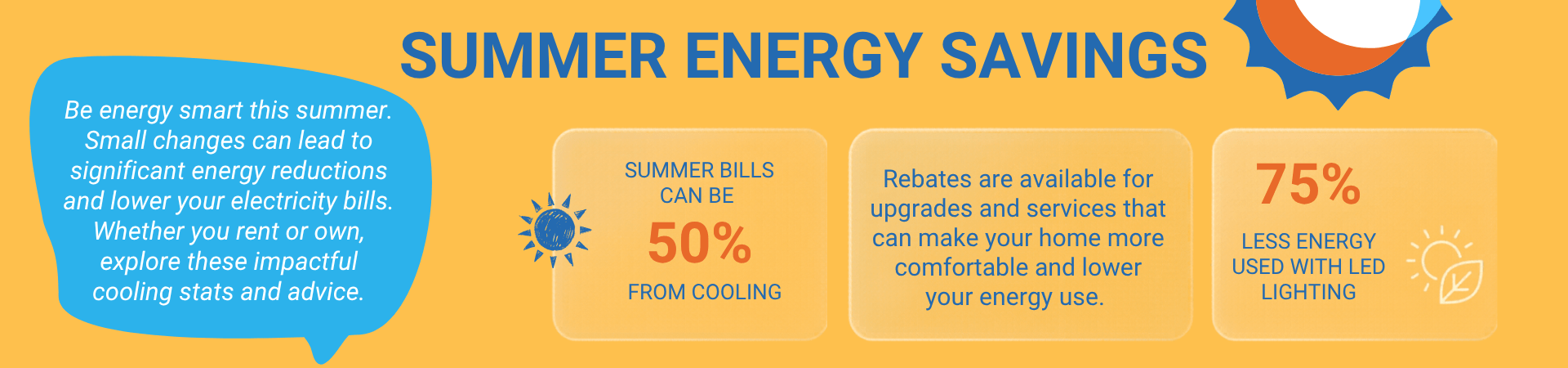
Energy-efficient Bulbs: Light-emitting diodes (LEDs) use 90 percent less energy than incandescent bulbs, last about 40-50 times longer than incandescent bulbs, and last about 5 times longer than fluorescent bulbs. They produce very little heat and are extremely durable.
Task Lighting: Strategically use lighting that focuses on the area you need, rather than the entire room.
Flip the Switch: Turn off the lights when you leave the room, and double-check that all lights are off before leaving the house. If you prefer, a timer can be used to turn on specific lights to ensure your space is well-lit when you get home.
Remove Dust: Keep light fixtures and bulbs clean. Dust absorbs 50 percent of light.
Worth-it Investments
-
Add Insulation Where It Is Needed
The proper amount of attic and wall insulation can make a huge difference on your monthly bill. While adding or upgrading insulation in your home can be a larger upfront investment, but if you are able to, the savings and comfort each month are noticeable. Your heating and cooling system will work less to deliver the same results!
See Rebates -
Replace Qualified HVAC Units and/or Add Mini Splits
Newer air conditioners can be more efficient and reduce your cooling costs. In some cases, it may be more efficient to add a mini split to a room in your home. TVA EnergyRight has a Quality Contractor Network to guide you on the best next steps for your heating and cooling needs.
See HVAC Rebates
See Mini Split Rebates -
Upgrade Older Windows with Energy Efficient Options
Simple Habits that Work
-
Changing the Thermostat a Few Degrees can Make a Big Difference on Your Bill
Total electricity used (kilowatt-hours) is the largest factor on your electric bill. Heating and cooling typically have the greatest impact on a home's electricity use, and the hotter it gets, the harder a cooling unit has to work to maintain indoor temperature. Think of it like riding a bike uphill (90 degrees F) versus flat land (70 degrees F). You're still pedaling at the same pace, but it takes more effort. In extreme temperatures, even if your thermostat setting hasn't changed, the amount of electricity needed to maintain that setting does.
Thermostat Setting: In the summer, experts suggest setting the thermostat to 76-78 degrees. Avoid placing electronics or lighting that can produce heat near your thermostat, as this could cause it to work excessively. A programmable, smart thermostat can make it easy to keep your house at the recommended seasonal temperature when you’re at home, while automatically adjusting the thermostat to turn up or down a few degrees when you leave or go to sleep.
Ceiling Fans: Use a ceiling fan to regulate the “feels like” temperature instead of adjusting your thermostat. *Remember to turn fans off when you leave the room, ceiling fans cool people and not air. A ceiling fan should rotate counterclockwise in the summer.
Air Flow: Move any furniture or other large objects that are blocking the vents in your home.
-
Keep Hot Air Outside and Cooler Air Inside
Warm air can enter your home through open garage doors and cracks around windows and doors. Simultaneously, these gaps in your home's envelope can allow cool air to escape. Windows without any blinds or curtains can heat up rooms, causing the A/C unit to work harder.
Block the Sun: Close curtains and blinds on the sunny side of your home to block out heat. Open them on the shady side of the house for a free light source.
Close Unnecessary Entry Points: Keep your garage door closed as much as possible. Check that the fireplace damper is closed when not in use.
-
Run Major Appliances & Electronics Efficiently and During "Off Hours"
Refrigerator: Set your refrigerator at 40 degrees and let food cool before putting it in the refrigerator. Hot foods will raise the temperature in the fridge and make it work harder.
Oven: Avoid using the oven during the hottest parts of the day. When possible, use a microwave, toaster oven, or grill outside instead. Additionally, every time you open the door, the oven’s temperature drops about 25-30 degrees, and more energy is used to reheat it to the right temperature and cool your home. Use the oven light instead.
Stovetop: Sizing pots to the right stovetop burner can make a big difference. A six-inch pot on an eight-inch burner wastes over 40 percent of the burner’s heat. Also, covering pots and pans reduces heat loss and allows food to cook more efficiently.
Washing Machine: Wash full loads of clothes and use cold water when possible. Unless you’re dealing with oily stains, the warm or cold water setting on your machine will generally do a good job of cleaning your clothes. Switching from hot to warm can cut your load’s energy use in half. If you have a front-loading washer or high-efficiency top-loader, use detergent labeled for high-efficiency machines.
Dryer: Avoid using the oven during the hottest parts of the day. Instead, opt to air dry clothing outside or on a drying rack when temperatures are favorable.
Dishwaher: Avoid using the oven during the hottest parts of the day. Run the dishwasher when it’s completely full.
Electronics: Most electronics never turn off; instead, they enter standby mode and continue to draw electricity. Eliminate "phantom" electric load by using a power strip for your computer monitors, gaming consoles, cable boxes, DVRs, chargers, and other electronics, so they are completely disconnected from the power source.- In partnership with TVA EnergyRight, NES customers can compare and find the best prices on the most efficient options. Explore top-rated energy-efficient appliances and electronics at the EnergyRight Marketplace. Energy Star certified products to save money on your energy bill. Smaller Appliances: Before you leave for the day, make it a habit to unplug all unnecessary appliances, including the coffee maker, microwave, toaster oven, hair dryer, curling iron, etc. Left plugged into the wall, smaller appliances can still drain electricity.
-
Efficient Lighting Throughout the HomeUse Natural Lighting: Open curtains or shades on the side of the house where the sun is not coming in directly to let natural light in without heating the room.
Energy-efficient Bulbs: Light-emitting diodes (LEDs) use 90 percent less energy than incandescent bulbs, last about 40-50 times longer than incandescent bulbs, and last about 5 times longer than fluorescent bulbs. They produce very little heat and are extremely durable.
Task Lighting: Strategically use lighting that focuses on the area you need, rather than the entire room.
Flip the Switch: Turn off the lights when you leave the room, and double-check that all lights are off before leaving the house. If you prefer, a timer can be used to turn on specific lights to ensure your space is well-lit when you get home.
Remove Dust: Keep light fixtures and bulbs clean. Dust absorbs 50 percent of light.